
The Narrator’s Commentary on Authorship
Eugene OneginThis thread traces the narrator’s play with poetic convention, translation, digression, and the changing expectations of readers.
increasing Bearing strength in each event
 decreasing
Bearing strength in each eventdecreasingA Romance Announced
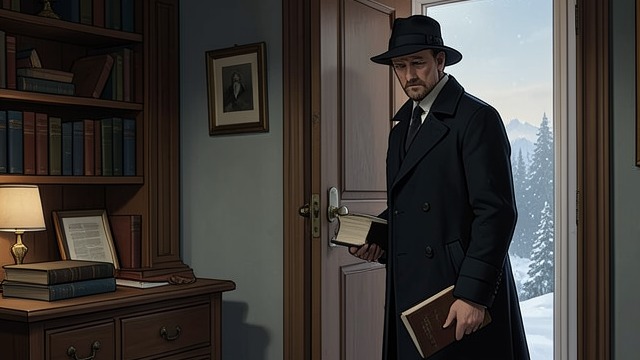
A Romance Announced
A self-conscious beginning
The narrator introduces Eugene while openly discussing how a romance should begin and what readers may expect.
The story starts with a voice that refuses to hide the act of storytelling.
A flexible form
The narrator combines plot, satire, personal recollection, and digression instead of maintaining a single solemn narrative register.
This openness lets the poem examine literary conventions as it uses them.
The Poet’s Disclaimers

The Poet’s Disclaimers
Distance from the hero
The narrator anticipates readers who may identify him with Eugene and explicitly emphasizes differences between their tastes and lives.
At the same time, he admits that writing from experience can make fiction resemble its author.
Irony as protection
The self-correction keeps the narrator from claiming complete detachment. His jokes both invite intimacy and challenge readers to question easy conclusions.
The method makes the poem’s perspective as complex as its characters’ motives.
The French Letter Problem
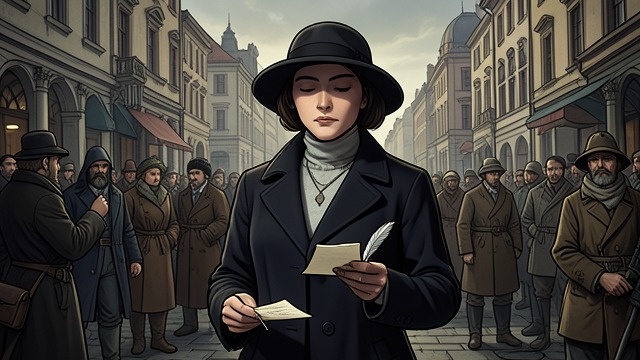
The French Letter Problem
A language of society
The narrator explains that Tattiana writes in French, the language expected in her social environment, and claims the task of translating her words.
Language becomes part of the gap between private feeling and public convention.
Translation and intimacy
The narrator presents the letter as his version, acknowledging that a translation cannot perfectly preserve the original voice.
This mediation makes readers aware that Tattiana’s confession reaches them through both her emotion and the poet’s craft.
Digression as Method

Digression as Method
Departures from the plot
The narrator pauses to reflect on fashion, reading, poetry, friendship, food, and social life. These departures broaden the story beyond its central courtship.
Their movement resembles conversation rather than a narrowly plotted romance.
Meaning through contrast
The digressions compare idealized literary language with ordinary behavior and expose the habits that shape the characters.
They are not simply interruptions; they make the novel’s world and its assumptions visible.
A Deliberate Goodbye

A Deliberate Goodbye
The narrator closes the journey
At the end, the narrator addresses readers and bids farewell to the characters and the book. He frames their imagined company as something that has accompanied him through changing years.
The ending draws attention to the emotional work of finishing a story.
An open future
Eugene’s fate remains unreported after Tattiana leaves him. The narrator refuses to make the final moment into a complete resolution.
That refusal turns incompletion into a form of honesty about separation and the limits of narrative knowledge.
at the opening of the first canto
during the first canto’s account of Eugene
when Tattiana’s confession is translated
during the poem’s extended reflections on love and society
in the final stanzas
